Hard to open.
Harder to ignore.
Rethinking child-resistant medication packaging
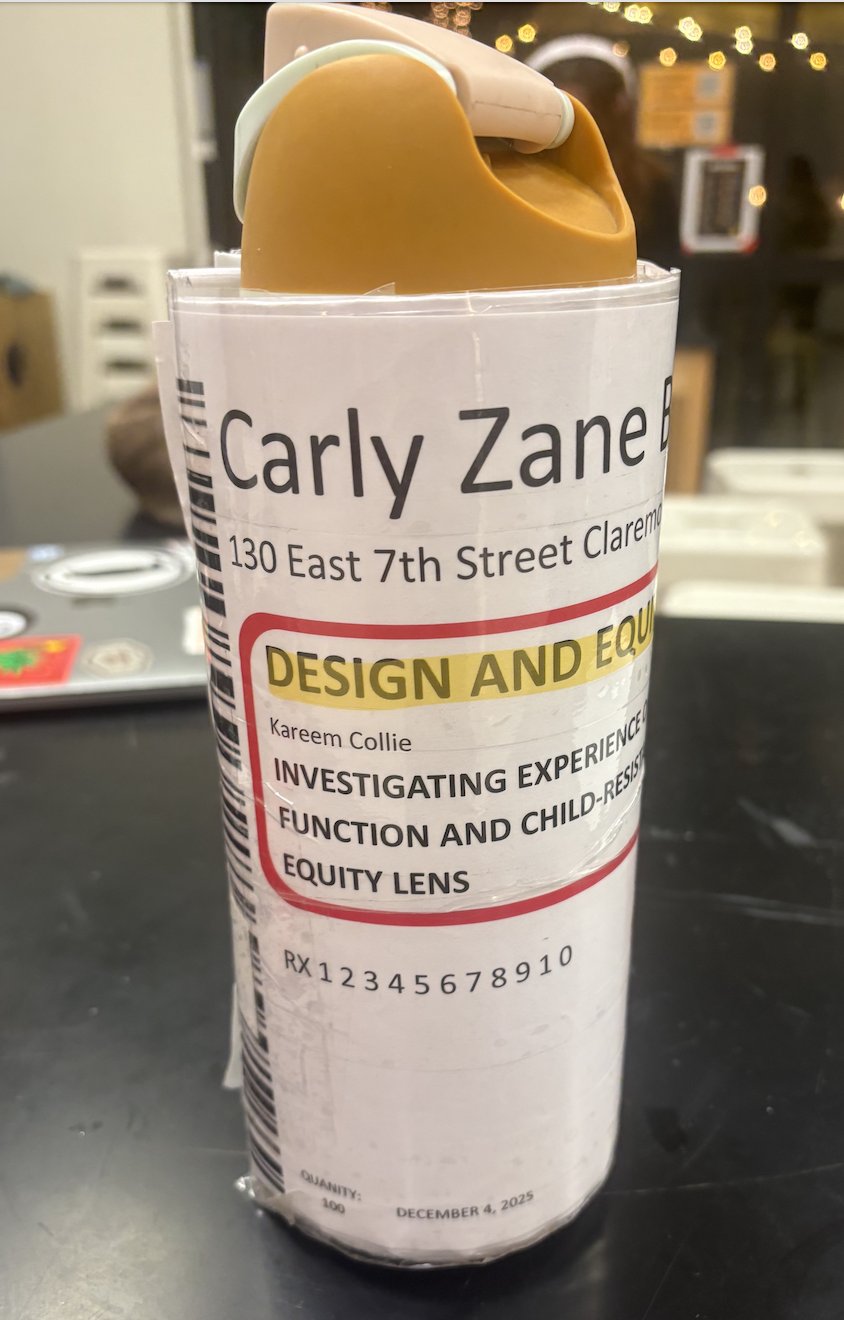
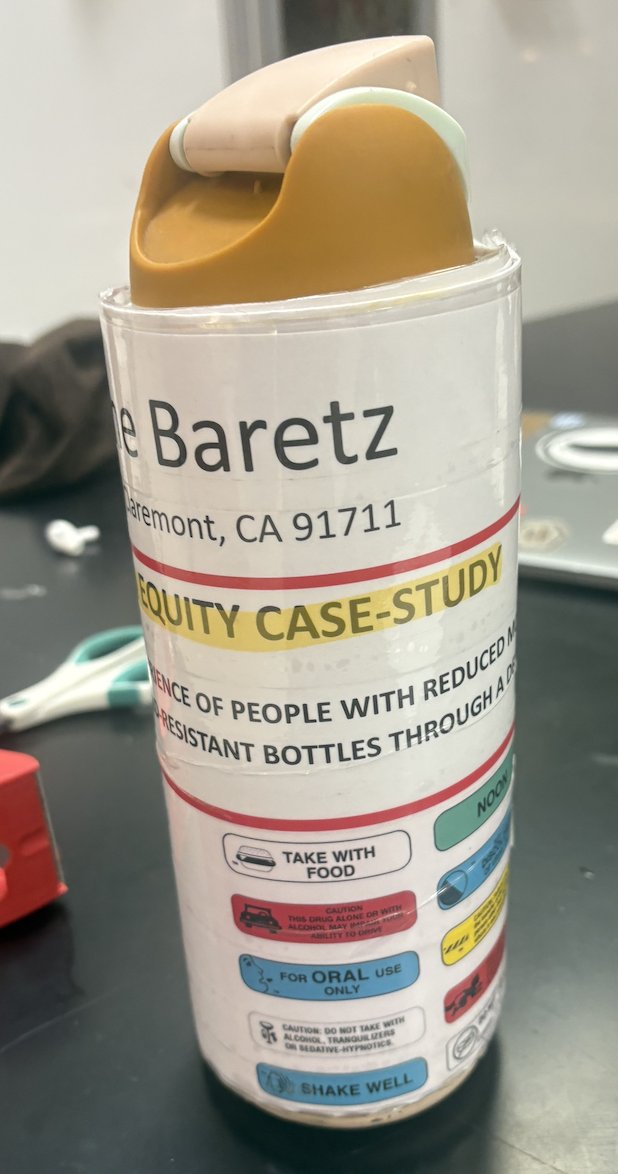
Pill bottles protect children from accessing medication. But for people with arthritis or limited dexterity, the same mechanism can make their own medication difficult to reach. I investigated how this familiar design developed, where existing solutions fall short, and what a better approach would need to consider.
The starting point
My grandmother has adapted her gardening tools, jewelry tools, and kitchen utensils to make them easier to use. Watching her struggle with jars and bottles made me question something many people barely think about: opening medication.
I had explored an easier-to-open container since high school and recently worked with an engineer to develop the idea. For this project, I stepped back to better understand the problem.
“How could medication packaging be easier for people with limited dexterity to use while keeping children safe?”
Investigating the everyday
I researched the history of child-resistant packaging, examined existing opening mechanisms and assistive tools, and spoke with my grandmother about her experience.
I looked at what different designs require: grip strength, coordinated movements, two hands, or the ability to see and align small markings. Even tools intended to help can require strength and coordination.
The key question became: how much effort does the packaging demand from the person using it?
Looking beyond the bottle
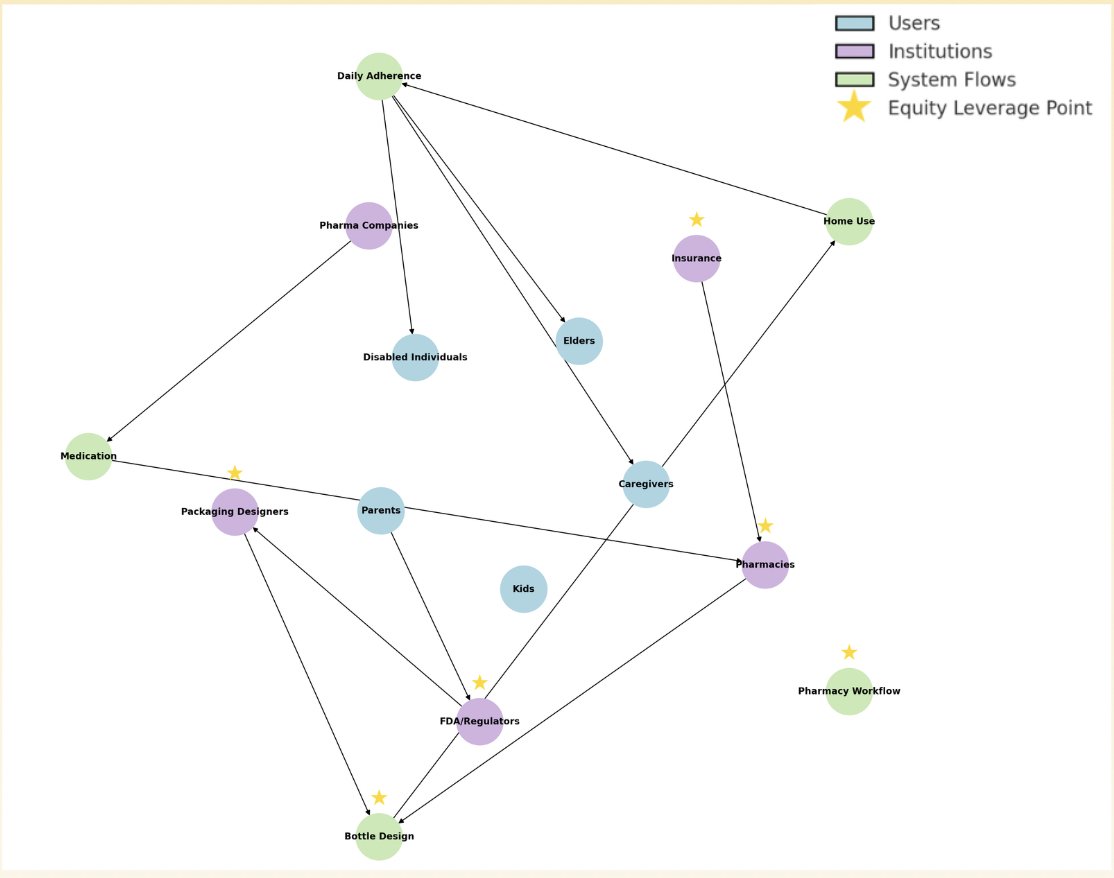
I created a systems map connecting users, institutions, and the movement of medication from pharmacy to home.
It brought together older adults, parents, children, pharmacies, insurers, regulators, and packaging designers. Mapping these relationships helped me understand how packaging decisions made well before a prescription reaches someone’s home affect their daily routine.
It also revealed how much a focus on the opening mechanism alone could overlook.
Reconsidering my approach
My grandmother’s experience gave me a reason to pursue the idea, but it wasn’t enough to design a solution around.
I realized I had been developing what I thought would work before fully understanding the people who would use it. Moving forward meant talking with more users, understanding their workarounds, and establishing clearer requirements before committing to a design.
The final format
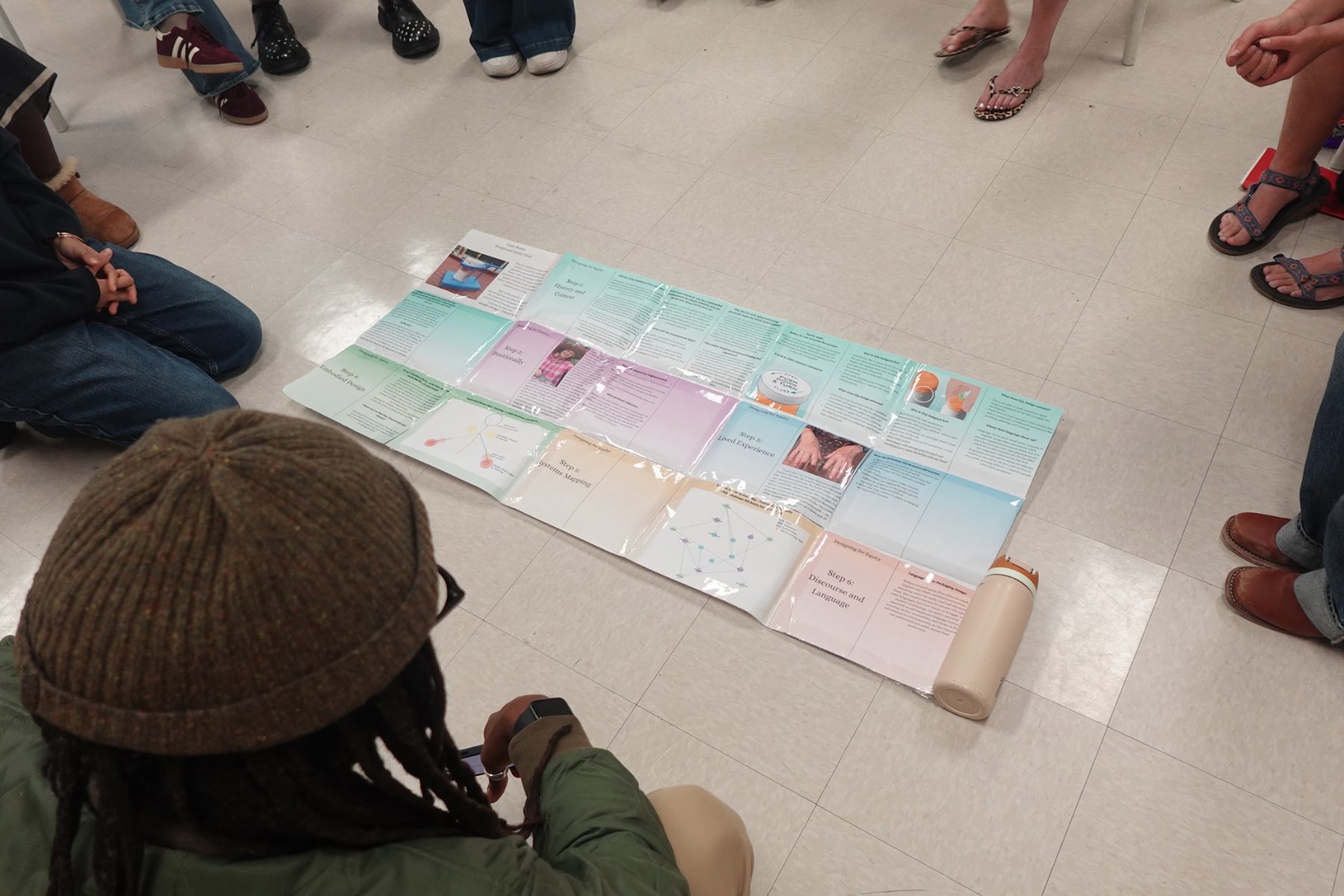
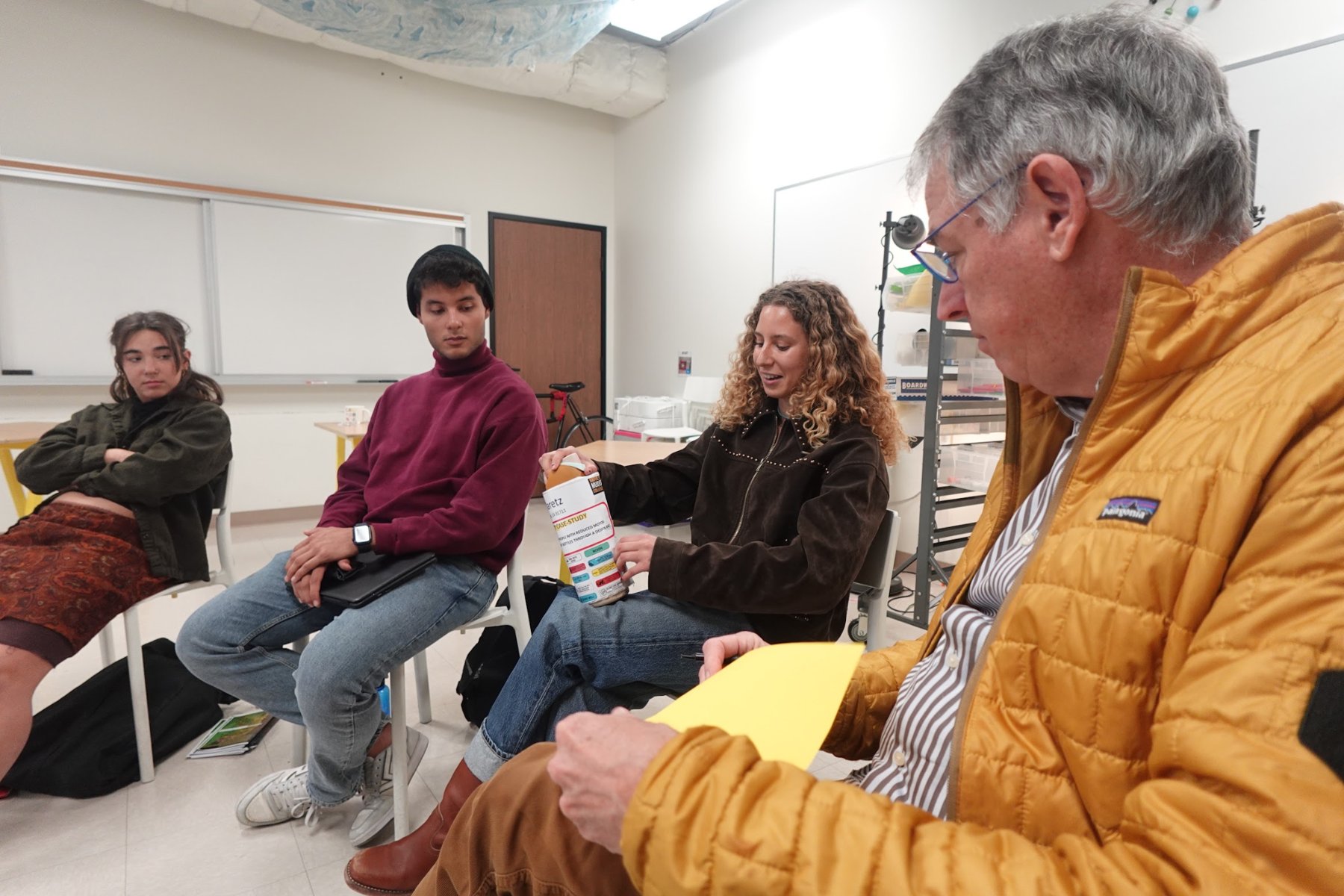
I presented the investigation as a physical foldout resembling the fine-print insert accompanying medication. It brought the research, systems map, and reflection together in a format directly connected to the subject.
What came next
The project gave me a clearer foundation for future design: a better understanding of the problem, the limitations of existing solutions, and the assumptions I needed to question.
My next step would be to speak with more people with limited dexterity and use their experiences to develop and test solutions for both ease of use and child safety.
It reinforced the value of looking closely at things we take for granted—and knowing when to step back before taking an idea further.